
Guaranteed Next Day Delivery!
Compare the cheapest skip bin hire in Melbourne for FREE
What Can You Put in a Skip Bin? Melbourne Disposal Rules Explained
Hiring a skip bin is one of the easiest and most efficient ways to dispose of unwanted waste. Whether you're renovating your home, cleaning out the garage, landscaping the backyard, moving house, or managing a construction project, a skip bin helps keep your property tidy while ensuring your waste is disposed of responsibly.
However, one of the most common questions people ask before booking is, "What can I put in a skip bin?" While most household and construction waste is perfectly acceptable, there are several materials that require special handling and cannot be placed into a standard skip bin.
Fortunately, understanding Melbourne's disposal rules is easier than you might think. By knowing which materials are accepted, which require specialist disposal, and why these rules exist, you'll avoid unnecessary collection delays, additional charges, and potential environmental risks.
In this guide, we'll explain exactly what you can and can't put into a skip bin, why certain items are prohibited, and how to choose the right waste category for your project. If you're ready to organise a bin, you can also compare options on our Skip Bin Hire Melbourne page.
Why It Matters What Goes Into Your Skip Bin
Although it may seem like everything ends up in landfill, that's rarely the case. Today, a significant portion of waste collected from Melbourne skip bins is sorted and recycled. Materials such as timber, bricks, concrete, green waste, metals and cardboard can often be recovered and reused rather than buried.
As a result, waste must be separated correctly before collection. Certain hazardous materials also pose risks to drivers, recycling facilities and the environment. Therefore, following disposal guidelines helps keep everyone safe while improving recycling outcomes across Victoria.
If you're curious about where your rubbish goes after collection, read our guide explaining what happens to your waste after it goes into your Melbourne skip bin.
What Can You Put in a Skip Bin?
The good news is that most everyday waste generated around homes and businesses can be placed into a skip bin. The important part is selecting the correct waste type when booking, as different bins are designed for different materials.
Let's look at the most common waste categories.
Household Waste
Household waste is one of the most popular reasons people hire skip bins throughout Melbourne. Whether you're decluttering a spare room or preparing a property for sale, a skip bin provides a convenient solution for disposing of unwanted items.
Common household waste includes:
Old furniture
Tables and chairs
Broken household items
Children's toys
Cardboard boxes
Books and magazines
Plastic containers
General household rubbish
Clothing and shoes
Kitchenware
In many cases, these items can be collected together in a general mixed waste skip bin, making clean-ups far quicker than multiple trips to the local transfer station.
Green Waste
Garden projects often produce far more waste than expected. Fortunately, dedicated green waste skip bins provide an environmentally friendly way to dispose of organic materials.
Accepted green waste usually includes:
Tree branches
Leaves
Grass clippings
Prunings
Shrubs
Small tree trunks
Plants
Weeds
Bark and mulch
Because these materials can often be processed into mulch or compost, separating green waste helps improve recycling rates while reducing landfill.
Construction and Renovation Waste
Home improvements generate a wide variety of waste. Thankfully, most building materials can be placed into the appropriate skip bin.
Common renovation waste includes:
Timber
Bricks
Concrete
Roof tiles
Ceramic tiles
Plasterboard
Pavers
Bathroom fixtures
Kitchen cabinetry
Insulation (non-hazardous)
However, heavier materials quickly add weight. Therefore, it's important to choose the correct skip size before booking.
If you're unsure which size suits your project, our Melbourne skip bin sizes guide explains each option in detail.
Mixed Heavy Waste
Many renovation projects produce both heavy building materials and general rubbish. In these situations, mixed heavy waste bins are often the best solution.
These bins typically accept:
Concrete
Bricks
Tiles
Timber
Small amounts of soil
General building debris
Household waste (depending on supplier)
Since every supplier has slightly different requirements, it's always worth confirming exactly what can be included before your bin arrives.
Can You Put Furniture in a Skip Bin?
Yes. Old furniture is one of the most common waste types collected throughout Melbourne.
Items such as lounges, dining tables, wardrobes, mattresses, bookshelves and outdoor furniture can usually be disposed of in a general mixed waste skip bin. Breaking larger items into smaller pieces beforehand also helps maximise available space.
Meanwhile, if your furniture is still in good condition, consider donating it to a local charity before hiring a skip bin. Reusing quality furniture reduces landfill while helping others in the community.
Can You Put Whitegoods in a Skip Bin?
Many whitegoods can be collected, including:
Washing machines
Dryers
Dishwashers
Ovens
Hot water systems
Microwaves
However, refrigerators, freezers and air conditioning units often require specialised degassing before recycling. Therefore, always let your skip bin provider know if these items will be included.
Can You Put Soil, Dirt and Concrete in a Skip Bin?
Absolutely—but only in the correct waste category.
Heavy materials such as soil, clay, rocks and concrete place enormous weight on collection vehicles. Consequently, these materials generally require dedicated heavy waste bins rather than mixed household bins.
If you're tackling a landscaping project, excavation or backyard makeover, our guide to soil removal in Melbourne explains the best disposal options and when dedicated soil bins are recommended.
Moving House? Skip Bins Make the Process Much Easier
Moving is the perfect opportunity to declutter before packing. Instead of transporting unwanted furniture, broken appliances and old household items to your new home, many Melbourne residents hire a skip bin to simplify the process.
By removing years of accumulated clutter before moving day, you'll often reduce moving costs while making unpacking much easier.
If you're preparing for an upcoming move, our article on how skip bins help when moving house offers practical tips to make the process less stressful.
Mini Skip Bins Are Perfect for Smaller Clean-Ups
Not every project requires a large skip. In fact, many homeowners only need a compact bin for garage clean-outs, spring cleaning or minor renovations.
Mini skip bins fit comfortably on most residential driveways while providing plenty of space for smaller projects. They are also easier to position where access is limited.
If you're unsure whether a compact option is suitable, our guide explains how mini skip bins make clear-outs simpler and when they're the best choice.
What Can't You Put in a Skip Bin?
While skip bins are incredibly versatile, some materials require specialist handling and cannot be disposed of in a standard bin. These restrictions exist to protect collection drivers, recycling facilities, landfill sites and the environment.
Fortunately, most prohibited items have alternative disposal options throughout Melbourne. Therefore, if you're ever unsure, it's always best to ask before loading your bin.
Common items that cannot usually be placed in a standard skip bin include:
Asbestos
Liquid paint
Petrol and diesel
Engine oil
Chemicals and solvents
Gas bottles
Fire extinguishers
Car batteries
Household batteries
Tyres
Medical or clinical waste
Explosives or ammunition
Radioactive materials
Although this list may seem extensive, these materials represent only a small percentage of household waste. In most cases, your everyday rubbish, renovation debris and green waste can still be collected without issue.
Why Are Certain Items Prohibited?
Many prohibited materials contain chemicals or substances that can leak into soil and waterways if they are disposed of incorrectly. Others create fire hazards or can damage collection vehicles and recycling equipment.
For example, batteries may ignite when crushed, while paint and oil can contaminate large volumes of recyclable material. Likewise, gas cylinders remain under pressure even when they appear empty, making them dangerous if compacted inside collection trucks.
As a result, Victorian waste regulations require these items to be processed through specialised recycling or hazardous waste facilities rather than standard skip bins.
By following these rules, you're helping protect both the environment and the people responsible for collecting and processing your waste.
Can You Put Asbestos in a Skip Bin?
No. Asbestos should never be placed into a standard skip bin.
Although asbestos was commonly used in Australian homes built before the 1990s, disturbing it can release microscopic fibres that pose serious health risks when inhaled.
Consequently, asbestos must be removed, transported and disposed of in accordance with Victorian regulations using approved disposal methods.
If you believe your renovation project may involve asbestos, stop work immediately and arrange professional advice before continuing.
Our guide to asbestos disposal and skip bins explains your options in more detail.
Do Electronics Belong in a Skip Bin?
Not always.
Electronic waste, often called e-waste, includes televisions, computers, laptops, printers, mobile phones and computer accessories.
These items contain valuable metals that can often be recovered and recycled. However, they may also contain hazardous materials that shouldn't end up in landfill.
For that reason, many electronic items should be taken to approved recycling centres instead of being placed into a skip bin.
Do You Need a Permit for Your Skip Bin?
That depends on where your skip bin will be located.
If the bin is placed entirely on private property, such as your driveway, a permit is generally not required. However, if it needs to sit on a public road, nature strip or other council-controlled land, you may need approval from your local council.
Requirements can vary across Melbourne municipalities. Therefore, it's always worth checking before your delivery date.
Our guide to Melbourne skip bin permits explains when a permit is required and what you need to know before booking.
Skip Bin or Dumpster: Which Is Better?
You may occasionally come across the term dumpster, particularly when reading overseas articles. In Australia, however, the term skip bin is far more common.
While both are designed to collect waste, skip bins are generally better suited to Australian homes, renovations and commercial projects. They come in a wide range of sizes, are easier to position and are commonly available for short-term hire.
If you're comparing the two options, our guide on skip bins versus dumpsters explains the differences and which option is best for your project.
Simple Tips for Filling Your Skip Bin Efficiently
Loading your skip bin correctly helps you make the most of the available space while ensuring safe transport.
Before you begin, keep these practical tips in mind:
Break down furniture and cardboard boxes to save space.
Load heavier materials first.
Place lighter items on top.
Distribute weight evenly throughout the bin.
Don't fill above the top rim.
Separate prohibited items before loading.
Choose the correct waste category when booking.
Planning ahead not only helps maximise capacity but also reduces the likelihood of additional collection fees.
Frequently Asked Questions
Can I mix my household rubbish with renovation waste?
Sometimes. Many suppliers offer mixed waste bins, while others require heavy materials to be separated. Always confirm the waste category before booking.
Can I put treated timber into a skip bin?
In many cases, yes. However, disposal requirements vary depending on the supplier and the type of treatment used.
Can I throw old carpet into a skip bin?
Yes. Carpet, underlay and flooring materials are commonly accepted as part of general household or renovation waste.
Can I dispose of garden soil with green waste?
No. Soil is significantly heavier than green waste and should usually be placed into a dedicated soil or heavy waste skip.
What happens if I accidentally put prohibited items into my skip bin?
If prohibited materials are discovered before collection, you'll normally be asked to remove them. If they're found later, additional disposal charges may apply.
Helping Melbourne Recycle More Waste
Every correctly sorted skip bin contributes to better recycling outcomes across Melbourne. Materials such as timber, concrete, bricks, metals and green waste can often be recovered and reused instead of being sent directly to landfill.
Meanwhile, hazardous materials can be processed safely through specialist facilities, reducing environmental impacts and protecting valuable natural resources.
If you'd like to learn more about local waste and recycling services, visit the City of Melbourne's Waste and Recycling information.
Book the Right Skip Bin for Your Melbourne Project
Whether you're renovating your home, clearing out the shed, landscaping your backyard or managing a commercial clean-up, choosing the right skip bin makes waste disposal faster, safer and far more convenient.
Understanding what can and can't go into your skip bin helps avoid delays, prevents unexpected charges and ensures recyclable materials are processed correctly.
At Skip Bin Finder, we make it easy to compare trusted suppliers, choose the right bin size and organise reliable collection across Melbourne. Whether you need a compact mini skip for a weekend clean-up or a larger bin for a major renovation, we're here to help you find the right solution.
Ready to get started? Visit our Skip Bin Hire Melbourne page to compare bin sizes, book online and find the best skip bin for your next project.
Mini Skip Bins
Suitable for smaller clean-ups like spring cleaning, tree pruning and other green waste.
Dimension: 1.5m x 1.5m x 900mm
Equivalent to 8 wheelie bins or approximately 3 level 6x4 trailer loads.
Suitable for smaller clean-ups like garage clean-outs, general DIY waste, green waste, etc.
Dimension: 1.9m x 1.5m x 1.2m
Equivalent To 12 wheelie bins or approximately 4 level 6x4 trailer loads.
Suitable for moderate 1-room renovations, mid-sized jobs or smaller clean-ups for furniture, plastic, light timber, etc.
Dimension: 2.5m x 1.5m x 1.2m
Equivalent to 16 wheelie bins or approximately 5.5 level 6x4 trailer loads.
Suitable for some home renovation work including tiles, concrete, etc.
Dimension: 3m x 1.5m x 1.3m
Medium Skip Bins
Suitable for moderate 1-room renovations or large with heavy and light waste, small building jobs, etc.
Dimension: 3.6m x 1.5m x 1.2m
Equivalent To 24 wheelie bins or approximately 8.5 level 6x4 trailer loads.
Suitable for medium renovations or large clean-ups like multi-room renovations, large tree removal, kitchen fit-outs, etc.
Dimension: 4.2m x 1.8m x 1.65m
Equivalent to 28 wheelie bins or approximately 10 level 6x4 trailer loads.
Suitable for medium renovations or large clean-ups like demolitions, deceased estates, large-scale buildings, landscaping, etc.
Dimension: 3.6m x 2.1m x 1.8m
Equivalent to 32 wheelie bins or approximately 11 level 6x4 trailer loads
Suitable for medium renovations or larger clean-ups.
Equivalent to 36 wheelie bins or approximately 13 level 6x4 trailer loads.
Large Skip Bins
Suitable for medium renovations or larger clean-ups.
Equivalent to 42 wheelie bins or approximately 10 level 6x4 trailer loads.
Suitable for medium renovations or heavy waste.
Equivalent to 44 wheelie bins or approximately 15.5 level 6x4 trailer loads.
For larger renovations or heavy waste.
Equivalent To 60 wheelie bins or approximately 21 level 6x4 trailer loads.
For larger renovations or heavy waste.
Equivalent To 120 wheelie bins or approximately 43 level 6x4 trailer loads.
Before you select your bin size, please bear in mind that if you intend to use it for the removal of asbestos or other hazardous waste, you will need to speak to our staff before booking online.
Not all suppliers accept hazardous waste, and those that do have strict guidelines regarding the management of both the skip bin and the waste.
Types of Skip Bins for Hire in Melbourne
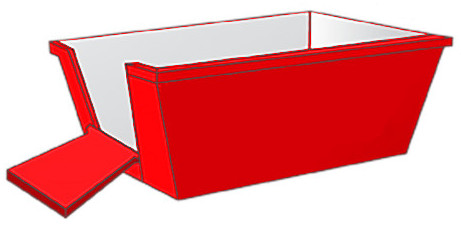
Marrel – A Popular All-Rounder
Our most commonly hired skip is the marrel skip bin – perfect for both home clean-ups and commercial projects. Available in sizes from a handy 2 cubic metres right up to a generous 17 cubic metres, there’s a size to suit every job.
Many marrel bins come with wheelbarrow access for easy loading, and the compact design means they can usually fit in a standard car space – as long as there’s clear access and no low-hanging branches or cables.
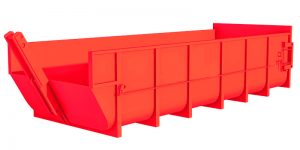
Hook Lift – Built for Big Jobs
If you’ve got a serious clean-up on your hands, a hook lift skip bin is the way to go. These heavy-duty skips are made for large commercial or industrial projects, like demolition sites or major fit-outs.
With sizes up to a massive 30 cubic metres, they offer the kind of capacity that standard skips just can’t match. Plus, their stackable design makes them a smart choice for busy worksites where space and efficiency matter.
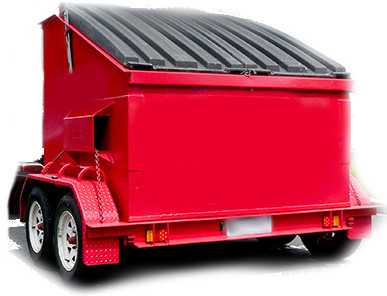
Trailer – Easy and Permit-Free
Trailer skip bins are perfect when access is tight or space is limited. These mobile bins are mounted on trailers, so they’re easy to move and can fit in a standard car space.
One big bonus? They usually don’t need a council permit when parked on the street. Great for quick clean-ups, renovations or jobs where flexibility matters.
When it comes to quality and efficient waste management, we will organise your waste disposal.
Types of Waste You Can Put in Our Bins
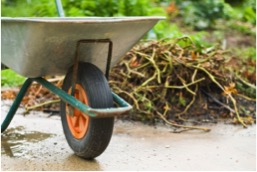
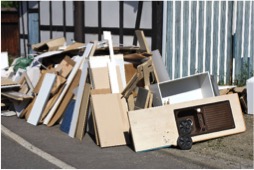


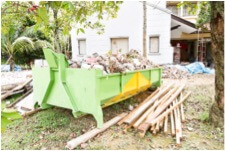
Our range of skip bins is designed to handle all your upcoming clean-up projects. Whether you're disposing of general waste, green waste, concrete and bricks, soil and dirt, or mixed waste – we have the perfect bin for your needs.
From small clean-ups to growing piles of heavy, hard-to-move waste, we've got you covered. At Skip Bin Finder, we're passionate about making Melbourne cleaner year by year with our diverse selection of bin sizes and types.
To discuss our selection of bins for your waste, get an instant quote - contact us at 1300 527 415.
Why Choose Skip Bin Finder?
We help you select the correct skip
Skip Bin Finder helps you choose the right skip. Start our simple 3-step process, and our finely tuned system will show you the options with helpful ideas.
We'll find you the best deal
An extensive range of suppliers will compete to give you the best price for your bin hire needs. Prices are updated daily to ensure you get the best deals available.
Wide range
of Skip Bins
We offer an extensive range of skips for all types of waste. Whatever waste you need to be taken care of, we've got the supplier and bin to help.
It's free to compare
If you don't decide to book a bin today, it doesn't cost you a cent to compare. Our Online Quoting System is FREE and doesn't cost you anything.
The map below shows our office in Central Melbourne:
805/220 Collins St, Melbourne VIC 3000.
Watch our video to see how to book skip bins using our easy-to-use online booking system.
We help keep your home surroundings clean and your loved ones safe from waste.
If You Live Near One Of These Suburbs In Melbourne, We Can Deliver To You
- Abbotsford
- Armadale
- Ashburton
- Ashwood
- Berwick
- Blackburn
- Boronia
- Box Hill
- Brighton
- Brunswick
- Carlton
- Caulfield
- Chadstone
- Clifton Hill
- Coburg
- Collingwood
- Cremorne
- Dandenong
- Docklands
- Burwood East
- Elsternwick
- Elwood
- Ferntree Gully
- Fitzroy
- Footscray
- Forest Hill
- Frankston
- Gardenvale
- Glen Iris
- Glen Waverley
- Greensborough
- Hawksburn
- Heathmont
- Hoppers Crossing
- Keysborough
- Kooyong
- Lalor
- Lower Plenty
- Malvern
- Melton
- Middle Park
- Mont Albert
- Moorabbin
- Mount Waverley
- Narre Warren
- Noble Park
- Nunawading
- Pakenham
- Parkville
- Point Cook
- Prahran
- Richmond
- Ringwood
- Ripponlea
- St Kilda
- Studfield
- Sunbury
- Toorak
- Wantirna
- Warrandyte
- Warranwood
- Werribee
- Wheelers Hill
- Geelong
- South Yarra
Frequently Asked Questions
Find More Answers Here
The cost will depend on a few factors, including the type of waste, the bin you need, how long you need the skip container, and where you are located. Our obligation-free quotation tool is the best way to determine the potential cost of your skip bins. This tool will help you choose the right bin for your needs and job requirements.